How to Get Rid of Scale on Plants For Good in 5 Simple Steps

Scale on plants are sap-sucking pests that attach themselves to twigs, leaves, branches, and fruits of host plants. This guide shares the best ways for scale control on houseplants.
There are more than 8,000 species of scale insects in the world and over 1,000 in North America alone.
They are such oddly shaped and immobile pests that they often resemble shell-like bumps rather than insects. In many cases, heavy infestations build up unnoticed before plants begin to show damage.
Large populations may result in poor growth, reduced vigor and chlorotic (yellowed) leaves. If left unchecked, an infested host may become so weak that it dies.
If you suspect your plant has a scale infestation, then read this complete guide to learn what they are, how to identify them, and then get rid of them in 5 simple steps!
What is Scale on Plants?
Scale on plants sounds like a disease, and it even looks like it, but this actually refers to an infestation by one of more than 8,000 species of small insects that suck sap and belong to the superfamily Coccoidea.
These scale insects cling on to stems, branches, and even the leaves of plants they’re feeding sap from. But due to their appearance, they can often be mistaken for a plant disease instead.
They have a shell-like bump appearance and tend to firmly attach to their host plant. This immobile nature of theirs further perpetuates the notion that it may actually be a disease, but it’s not. They’re often covered in an armor and are found in clusters.
Understanding what they look like and taking action as soon as they’re first spotted is one of the most important factors when getting rid of scales on plants.
Types of Scale Insects on Plants
Scale insects can be divided into two groups:
Armored (Hard): Secrete a hard protective covering (1/8 inch long) over themselves, which is not attached to the body. The hard scale lives and feeds under this spherical armor and does not move about the plant. They do not secrete honeydew.
Soft scale: Secrete a waxy film (up to 1/2 inch long) that is part of the body. In most cases, they are able to move short distances (but rarely do) and produce copious amounts of honeydew. Soft scale vary in shape from flat to almost spherical.
How to Identify Scale on Plants
Identifying scales can be tricky, mainly because there are 8,000 different species out there. For this reason, they vary in color, shape, and size but there are certain things to look out for that’ll help you differentiate between them and other similar pests and plant diseases.
Scales most often appear as small, brown, and rounded lumps on your plant’s stems, around the leaf joints, and the undersides of leaves. They don’t resemble typical bugs and look more like odd-looking growths on the plants, unlike mealybugs and spider mites.
The colors can also vary from the most common brown to white, tan, or even orange. Scale insects suck the sap out of plants which causes deformed leaves, yellowing leaves, brown marks, and will cause them to eventually fall off if not treated in time.
The appearance of sooty mold is another primary sign that indicates scale on plants. This happens when scale insects produce honeydew while feeding on the plants themselves. In turn, this attracts fungal organisms that promote the growth of sooty mold in some (but not all) scales.
This type of black-colored fungus disrupts photosynthesis in plants and is a big indicator that scale insects might be feeding on your plant.
However, many gardeners get confused as honeydew is also produced by other sucking insects including aphids, whitefly, or leafhoppers so always rule those out as well to make sure you’re treating your plant correctly.

Life Cycle of Scale Bugs
Adult females lay eggs underneath their protective covering which hatch over a period of one to three weeks. The newly hatched nymphs (called crawlers) migrate out from this covering and move about the plant until a suitable feeding site is found.
Young nymphs insert their piercing mouthparts into the plant and begin to feed, gradually developing their own armor as they transform into immobile adults. They do not pupate and may have several overlapping generations per year, especially in greenhouses.
Note: Males of many species develop wings as adults and appear as tiny gnat-like insects. They are rarely seen and do not feed on plants. Females often reproduce without mating.
How to Control and Get Rid of Scale on Plants Effectively
Getting rid of scales is a combination of a few very simple steps that will give you perfectly healthy plants that are free of these insects. Let’s look at what these are:
Step 1: Inspect Your Plants
First of all, if you suspect your plants have scale insects then you need to first inspect them and check to make sure that’s what they actually are. Read our guides on mealybugs and aphids to rule those out and to be sure it’s actually a scale infestation that’s affecting your plant.
You can also use a magnifying glass to get a close look at your plants and examine every inch of them to know how to follow the next steps.
Also, keep an eye out for host specific scale infestations, like those on camellias and hollies that provide an ideal habitat for tea scales.
Step 2: Prune and Dispose of Infested Branches
If you believe your plant is infected, start by quarantining it to the side so that you can stop scales from spreading to other plants. It’s important to keep them away for at least three weeks to complete the lifecycle and to be sure that you’ve gotten rid of them for sure.
If it’s a small infestation, you don’t need to follow this step but it’s still recommended if you have any doubts. Like they say, better safe than sorry! Use your gardening shears to clip off any affected parts of the plant. Dispose of infested branches, twigs, and leaves.
Make sure not to put these clippings in your compost bin! They need to be disposed of to stop them from spreading.
Step 3: Use a Cotton Swab Soaked with Rubbing Alcohol
When scale numbers are low they may be rubbed or picked off of plants by hand. Otherwise, dabbing individual pests with an alcohol-soaked cotton swab or neem-based leaf shine will also work when infestations are light.
Make sure not to dip your cotton swab into the bottle directly; instead, pour the rubbing alcohol into a small container and dip into it when applying it on individual pests. This will kill and remove even hard scale insects.
However, some more mature armored scales may be more difficult to treat, so you may need to resort to using your fingernails to scrape them off. Take your time in this step as it may be one of the most time-consuming ones, but it will make a world of difference moving forward.
Step 4: Wipe Off Dead Scales Using a Damp Cloth
You can either wash off your plant in a sink or use a soft damp cloth to gently wipe off any dead scales. A microfiber cloth works well as it’s gentle enough to not harm and damage your plant.
Moisten the microfiber cloth under running water and gently wipe the leaves and stems. Don’t use excessive pressure as this can distress your plant.
Step 5: Use Effective Control Methods for Scale on Plants
Now that we’ve covered half the problem, let’s deal with the rest of it. The four previous steps help to clean out any of the adult scale insects but younger ones may not be visible to you and they may still be crawling around.
So this step is to cover all bases and make sure scale insects on plants don’t return. Let’s look at the options we have to deal with them:
Beneficial Insects
Commercially available beneficial insects, such as ladybugs, soldier beetles, lacewing, and parasitic wasps are natural predators of the young larval or crawler stage.
This is where nymphs appear soon after the eggs hatch. At this stage, they have legs and actively crawl around to find a new spot to attach and feed on your plant.
Horticultural Oils and Related Products
Horticultural oils and other safe, oil-based insecticides work by smothering insects and will control all pest stages, including adults which are protected from most other insecticides by their armor coverings.
Azamax contains azadirachtin, the key insecticidal ingredient found in neem oil. This concentrated spray is approved for organic use and offers multiple modes of action, making it virtually impossible for pest resistance to develop. Best of all, it’s non-toxic to honey bees and many other beneficial insects.
Insecticides
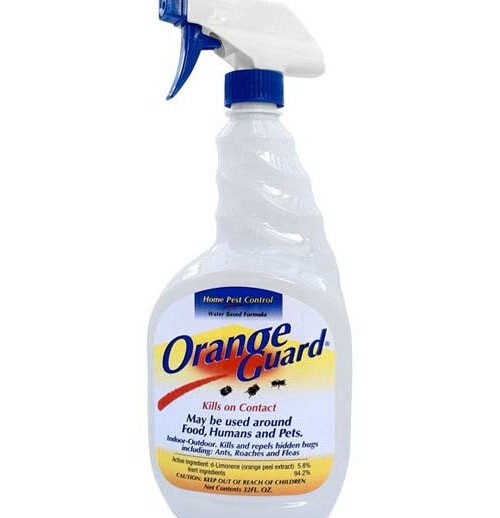
Organic pesticides, like insecticidal soap and d-Limonene, can also be used to kill the larvae. However, these products have very little persistence in the environment, so several applications during egg-hatching will be required for effective control.
Fast-acting botanical insecticides and systemic insecticides should be used as the last resort. Botanical insecticides are derived from plants that have insecticidal properties, these natural pesticides have fewer harmful side effects than synthetic chemicals and break down more quickly in the environment.
Systemic insecticides include compounds such as neonicotinoids and can help quite well with scale on plants, but they are also known to be a serious problem for honey bees and other pollinators.
At Planet Natural, we believe in providing you with all the information so you can make an informed decision. So keep this as a last resort till all other methods have failed. Read and follow the label instructions on the product to get rid of scale infestations.
Tip: Ants feed on the honeydew that sucking insects produce and will protect these pests from their natural enemies. An application of Tanglefoot Pest Barrier to the stalks of woody plants or to the trunks of trees will help get rid of ants naturally.